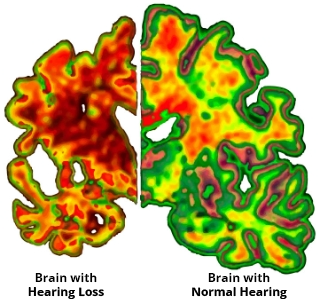
Hearing does more than let us follow along in conversation - it keeps a steady stream of sound reaching the brain, and that ongoing stimulation appears to matter for how the brain ages. When hearing loss goes untreated, that stream thins out, and researchers believe this may affect the brain in a few compounding ways: the extra mental effort involved in straining to hear can crowd out the cognitive resources the brain would otherwise use for memory and thinking; some studies have observed measurable changes in brain structure associated with long-term untreated hearing loss; and hearing loss often leads people to quietly withdraw from conversations and social situations they'd otherwise enjoy, which carries its own risks for cognitive health.
We wouldn't want to overstate what the evidence shows - hearing loss has not been shown to cause dementia. But a number of large studies, including research from Johns Hopkins Bloomberg School of Public Health and the ACHIEVE Study - one of the most rigorous trials conducted on this question - have found a consistent association between untreated hearing loss and a higher rate of cognitive decline, particularly in older adults.
The more encouraging part of this research is what happens when hearing loss is treated. The ACHIEVE Study found that, among participants already at higher risk of cognitive decline, using hearing aids meaningfully slowed the rate of decline compared with those who went untreated. Reporting since - including analysis from Hearing Tracker - has highlighted similar correlational findings, with hearing aid users showing better cognitive outcomes on average over time than people with untreated hearing loss.
None of this means hearing aids treat or prevent dementia, and we won't tell you they do. But keeping your hearing engaged, and staying connected to the people and conversations around you, appears to be one of the more modifiable factors in long-term brain health. If you've noticed a change in your hearing - or someone close to you has mentioned it - it's worth having it properly assessed sooner rather than later.

How do hearing aids help?
We hear not with our ears, but with our brain. Hearing loss can cause the connections in our brain to become reorganized, but hearing aids can help by preventing this from happening.
By providing the sound stimulation that would otherwise be missing by filling in the gaps, hearing aids can help to restore the proper organisation of the ‘sound centre’ of the brain so that it can react normally to sound signals it receives.
Preventing compensatory brain organisation by wearing hearing aids can be a vital way of preventing cognitive decline as we move through middle and older age. Annual hearing tests and early hearing loss screening programs for adults can make a significant impact when it comes to preventing the onset of dementia.
Hearing aids have also been shown to improve memory scores and make it easier to socialise and stay physically active, all of which are important counter-measures in the fight against Alzheimer’s and other types of dementia.
People with hearing problems may also be more likely to withdraw from social situations and become more isolated over time. Social isolation and depression are both risk factors for dementia. Hearing aids can help reduce social withdrawal.
Further reading
This is a developing area of research, and one we think is worth understanding for yourself rather than taking on faith. Sources referenced above: